Choosing among the best Shopify reviews apps in 2026 usually starts the same way. A store installs one app for stars on product pages, then six months later the underlying problems show up: review request limits, slow widgets, weak photo moderation, ugly galleries, migration pain, or a pricing jump that makes the original choice look expensive.
That’s why affiliate-style roundups rarely help much. They tend to flatten very different tools into the same list.
The better way to evaluate a Shopify product reviews app is to ask a simpler question. What job does the app need to do for this store right now? For some brands, that’s visual social proof. For others, it’s SEO-friendly review collection at low cost. For larger teams, it’s sentiment analysis, loyalty integration, and better visibility into what customers are saying.
Table of Contents
What a reviews app actually needs to do in 2026
The old job is obsolete
The modern checklist
Loox best for visual reviews
Where Loox is strongest
Where the trade off shows up
Yotpo Stamped and Judge.me when each wins
Yotpo for Shopify Plus teams that want one ecosystem
Stamped for brands that want a capable middle ground
Judge.me for teams that care about speed, coverage, and cost discipline
Pricing comparison
Simple pricing view by app type
Operator quotes from research interviews
What merchants praise
What merchants complain about later
How to choose for your stage
Early stage stores
Growth stage brands
Plus operators and larger teams
What a reviews app actually needs to do in 2026
A review app isn’t just a star badge anymore. The best ones affect conversion, SEO, merchandising, and product feedback loops.
That shift matters because modern review tools now do more than collect text. According to Elementor’s 2026 review app analysis, leading apps use AI for sentiment analysis and Amazon-style summarization, and product reviews can increase conversion rates by over 270% for high-ticket items. For a merchant comparing the best reviews app Shopify options, that means the benchmark has changed.

The old job is obsolete
A basic review widget used to be enough. It gave shoppers reassurance and filled empty product pages.
In 2026, that’s too narrow. Merchants need review content that helps shoppers understand fit, quality, use case, and common objections. They also need widgets that support video, photos, summaries, and Q&A without turning the product page into a performance problem.
Practical rule: If a review app only helps collect stars, it’s not doing enough for what merchants now expect from product pages.
The modern checklist
The strongest apps usually handle five things well:
Visual proof: Photo and video reviews matter far more for products that need demonstration, like apparel, beauty, furniture, and gifting.
SEO support: Rich snippets and strong structured data still matter, especially for stores trying to get more value from product discovery.
Usable summaries: AI summaries help when a product has a lot of feedback and shoppers won’t read everything.
Fast front-end behavior: Review widgets can’t tank page experience. Some apps look good in demos but cause friction on live stores.
Operational fit: The app has to match the team’s size, budget, and stack, not just the homepage screenshot.
The less obvious point is operational. Merchants don’t buy a reviews app in isolation. It sits inside a broader conversion stack alongside email, subscriptions, loyalty, search, and merchandising. Teams trying to trim bloat usually benefit from a broader Shopify app stack optimization approach, because a review app that overlaps badly with the rest of the stack creates more admin than value.
There’s also a broader reputation trend happening outside Shopify. The shift toward richer testimonials, moderation workflows, and stronger display control shows up across white label reputation software trends, not just in ecommerce review widgets.
Loox best for visual reviews
Loox wins when the product sells through imagery. That’s the core reason brands keep choosing it.
For stores in apparel, beauty, home, and lifestyle, Loox usually feels more like a visual merchandising tool than a plain review plugin. Its galleries are the main attraction, and that matters if the brand wants customer content to look polished instead of bolted on.

Where Loox is strongest
Loox is the cleanest fit when the review strategy is basically this: get more customer photos and make them look good on product pages.
That sounds simple, but it’s a real edge. Plenty of review apps technically support photo reviews. Fewer make those assets feel native to the storefront.
A lot of operators choose Loox because the team doesn’t want to spend time configuring complex review logic. They want post-purchase collection, strong-looking galleries, and a visual-first customer journey. The merchant interviews reflected in the Loox customer research case study point in that direction. Operators consistently describe the product as easy to understand and easy to deploy when the goal is customer-generated visual proof rather than a broader retention suite.
One quick look at the product helps explain the appeal:
Where the trade off shows up
The downside is rarely confusion about what Loox does. The downside is cost discipline and scope.
According to TinyIMG’s 2026 app roundup, Loox’s entry-level plan increased from around $9.99 to $15/mo, which is a useful reminder that review app pricing can move fast. The practical issue isn’t just the starting price. It’s whether a merchant is paying a premium for visual presentation when the store really needs broader review ops, stronger integrations, or more flexible economics.
Loox makes the most sense when visual social proof is central to the brand. It makes less sense when the main goal is low-cost review collection at scale.
That’s why Loox often wins clearly for one type of merchant and loses quickly for another. If the product pages need to look like a curated stream of real customer moments, Loox is hard to beat. If the team mostly wants affordable text reviews, SEO coverage, and lightweight widgets, another app usually fits better.
Yotpo Stamped and Judge.me when each wins
A founder is usually deciding under pressure here. Reviews are underperforming, the current widget looks dated, or the team is paying for features nobody touches. In more than 6,150 paid research interviews with Shopify operators, this is the comparison that comes up after Loox gets ruled in or out for visual UGC.

The pattern is pretty consistent behind closed doors. Yotpo wins when the reviews app is part of a broader retention stack decision. Stamped wins when a brand wants capable review operations without buying into a larger platform. Judge.me wins when cost control, speed, and core review coverage matter more than polish or suite depth.
Yotpo for Shopify Plus teams that want one ecosystem
Yotpo fits larger brands that already operate across multiple retention channels and want those systems closer together.
According to Charle Agency’s 2026 comparison, Yotpo has a 4.8 rating from 4.4k reviews, and the platform stands out for AI-assisted review collection plus connected loyalty and referral tools. That matters most when the team actually has people and process in place to use that extra data.
Yotpo tends to be the right call when the brand wants:
Reviews tied to a broader lifecycle program: Loyalty, referrals, SMS, and reviews are easier to manage when they sit in one vendor relationship.
More structured feedback: Attribute-based inputs and AI summaries are useful for merchandising, CX, and retention teams that review customer data regularly.
A system built for complexity: Shopify Plus teams often accept more setup and admin work if it reduces tool sprawl later.
The trade-off is overhead. Smaller stores and lean teams regularly tell us the product can feel heavier than the actual job they need done. If the goal is to collect, display, and syndicate reviews well, Yotpo can be more system than necessary.
Stamped for brands that want a capable middle ground
Stamped usually lands with operators who are past the budget-tool stage but still wary of buying an ecosystem.
That position matters. A lot of growing brands want solid review requests, photo reviews, and merchandising widgets, but they do not want their reviews app to turn into a larger stack commitment. Stamped serves that group well because it covers the operational basics with more flexibility than lightweight tools, while staying more focused than Yotpo.
In merchant interviews, Stamped often gets described as the practical middle option. It gives teams room to grow without forcing a bigger platform decision too early.
That said, the long-term fit depends on where the brand is headed. If leadership already plans to consolidate loyalty, subscriptions, referrals, or messaging into fewer vendors, Stamped can end up being a good interim choice rather than the final one.
Judge.me for teams that care about speed, coverage, and cost discipline
Judge.me keeps winning one simple argument. It handles the core review job at a price point that is hard for competitors to match.
That is why it comes up so often in operator calls, especially from newer stores, bootstrapped brands, and teams cleaning up app spend. Setup is usually quick. The feature set covers what many stores need. The app also avoids the common problem where review collection becomes expensive before the store has enough volume to justify it.
Judge.me is usually the strongest fit for:
Early-stage stores: Low switching risk and fast time to value.
Lean operators: Core automations and widgets without much training or admin burden.
Margin-conscious brands: A lower-cost model that makes sense even as review volume grows.
The limits are clear too. Judge.me is rarely the app founders brag about for storefront presentation, and it is not the obvious choice for a brand that wants one vendor spanning reviews, loyalty, and referrals. It wins because it is efficient, predictable, and good enough in the areas that matter most to a large share of Shopify stores.
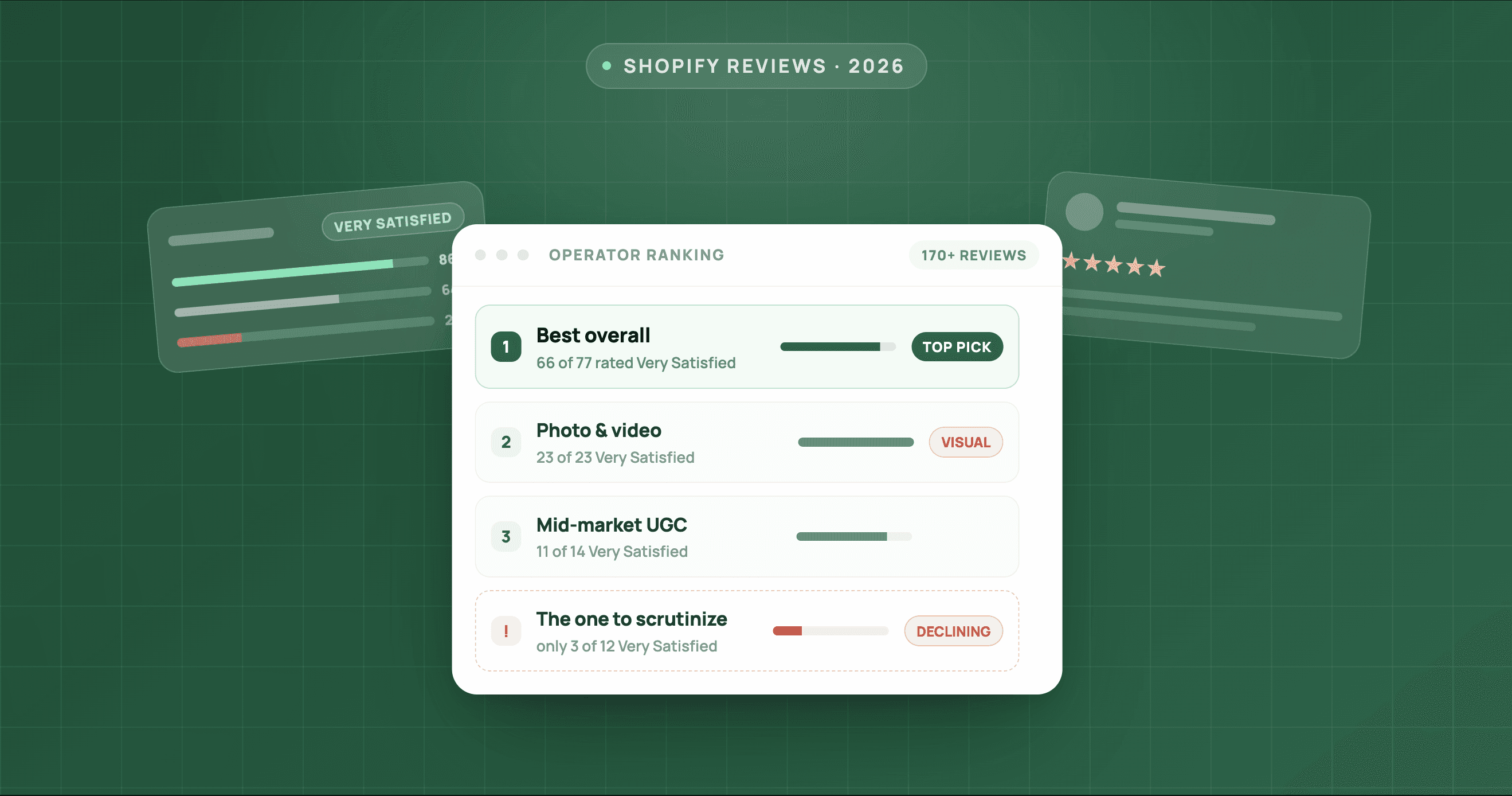
If the store needs a broader retention system, Yotpo usually wins. If it needs a balanced review app with room to grow, Stamped is often the safer middle choice. If it needs reliable review collection without unnecessary cost, Judge.me is hard to beat.
Pricing comparison
A founder picks a review app on a low entry plan, gets through setup, then finds out six months later that the bill comes from add-ons, display features, migration work, and the time required to keep the app behaving inside the theme. That pattern came up repeatedly across our research interviews with Shopify operators. The monthly fee matters. Total operating cost matters more.
The cleanest way to compare pricing is to ask two questions. What do you pay to get live? What do you pay once reviews become part of merchandising, retention, and support?
Judge.me usually wins the first question. It keeps upfront risk low and gives smaller teams room to collect and publish reviews without treating every new request like a pricing event. For early-stage brands, that matters.
Loox can earn its higher cost if customer photos and video reviews actively sell the product. If that visual layer is just decoration, the extra spend is hard to defend. Yotpo often makes financial sense only when the store is already using, or plans to use, more of the broader retention stack. Stamped sits in the middle. It is often easier to justify than Yotpo for a single-app purchase, but less obviously cheap than Judge.me once finance starts reviewing app spend line by line.
A broader app cost review is worth doing before any switch. Teams trying to clean up spend usually benefit from a structured Shopify app stack audit, because review app costs rarely stay isolated for long.
One more pricing trap gets missed. The cheapest review app can still be the expensive choice if it creates extra manual work, weak storefront presentation, or a messy handoff into your CRM. Teams evaluating downstream value should also look at Toolradar's ecommerce CRM recommendations if reviews are feeding lifecycle campaigns, service flows, or segmentation.
Simple pricing view by app type
App | Best fit | Pricing signal | Main caution |
|---|---|---|---|
Loox | Brands that sell visually | Easier to justify when UGC lifts conversion | Poor value if photo and video reviews are not central to the buying journey |
Yotpo | Larger teams with a broader retention stack | Cost works better as part of a suite decision | Review-only buyers often pay for more system than they need |
Stamped | Growing brands that want flexibility without enterprise overhead | Mid-range pricing with fewer surprises than suite-led tools | Can become a temporary stop if the team later consolidates vendors |
Judge.me | Lean teams watching margin and app spend | Low entry cost and strong value at small to mid volume | Storefront presentation is usually less differentiated than visual-first options |
The practical rule is simple. Price the app for the stage you expect to reach, not just the month you install it. That is the difference between a tool that stays affordable and one that turns into a migration project a year later.
Operator quotes from research interviews
App listings tell part of the story. Day-to-day operator feedback tells the rest.
The pattern across merchant conversations is consistent. Store teams rarely regret choosing a review app that matches their workflow. They often regret choosing one that looked strong in a demo but clashed with theme performance, product page design, or the broader stack.

What merchants praise
Anonymized interviews tend to sound less like feature comparisons and more like operating notes.
“Judge.me wasn’t the flashiest option, but the team launched it fast and didn’t have to think about it again.”
“Loox worked because the brand already sold visually. The customer photos felt like part of the storefront, not a plug-in.”
“Yotpo made sense once multiple teams needed the data, not just ecommerce.”
Those comments line up with what the market already suggests. The strongest app choice usually follows the store’s real decision style. Lean teams favor speed and value. Brand-led teams care more about gallery quality. Larger orgs care more about coordination and insight.
What merchants complain about later
The most common complaints are less glamorous. Performance issues, brittle integrations, and migration headaches come up more often than merchants expect.
That concern is backed by Halo Themes’ 2026 review app guide, which notes that over 68% of merchant forum discussions point to compatibility gaps, including review apps breaking dynamic product feeds or slowing stores built on modern frameworks like Hydrogen.
Stores built on modern Shopify setups need to test review widgets in the actual theme and page architecture, not just trust the app listing.
A few recurring operator themes show up again and again:
Hydrogen and custom storefront concerns: Some apps behave differently outside standard theme setups.
Migration friction: Exporting and importing old reviews sounds easy until formatting, media, or moderation rules get involved.
Feature bloat: Teams buy a larger solution, then only use a small fraction of it.
Support quality under pressure: A critical test comes during a theme change, redesign, or launch sprint.
Those are the details that separate a good-looking choice from a durable one.
How to choose for your stage
The easiest way to choose a review app is to stop looking for a universal winner. There isn’t one.
Early stage stores
For a newer store or a team watching every software bill, Judge.me is usually the cleanest decision. It covers the core jobs well, keeps costs manageable, and doesn’t force a heavy operational setup.
Growth stage brands
The choice between apps depends on specific brand requirements. Brands with visually driven products often get more value from Loox because customer imagery becomes part of merchandising. Brands that want a broader review engine without going fully enterprise often lean toward Stamped.
A good cross-check at this stage is the rest of the customer stack. If the team is also reworking retention tooling, Toolradar's ecommerce CRM recommendations are a useful companion read because review data only becomes more valuable when it connects to lifecycle marketing and customer management.
Plus operators and larger teams
Yotpo makes the most sense when reviews are part of a bigger system decision. If multiple teams need customer sentiment, richer UGC, and tighter alignment with loyalty or referrals, the broader suite can justify itself.
The wrong move at this stage is buying based on brand recognition alone. Plus teams should test widget behavior, data usefulness, and admin burden inside their actual storefront environment before committing.
The short version looks like this:
Choose Judge.me if the store needs strong value and fast deployment.
Choose Loox if visual social proof is central to the product page.
Choose Stamped if the store wants a capable middle path.
Choose Yotpo if the business needs a larger ecosystem and can use it well.
Merchants and agency operators who like weighing in on tools like these can share that experience through app store research. It’s a platform that connects Shopify merchants with paid product research interviews with app developers and UX teams. Operators in the network get paid for feedback, discover new tools early, and sometimes influence roadmap decisions before those features reach the broader market. Want to weigh in on apps like these and get paid? Join through the brand sign-up page.

Author
Jonathan Kennedy
Jonathan Kennedy is the founder of app store research and shopexperts, platforms that connect operators, founders, and experts across the Shopify ecosystem to drive better decisions, product development, and growth.